

This article is part of the October 2026 edition of the Syria Monthly Economic Digest. Click here to explore the full edition.
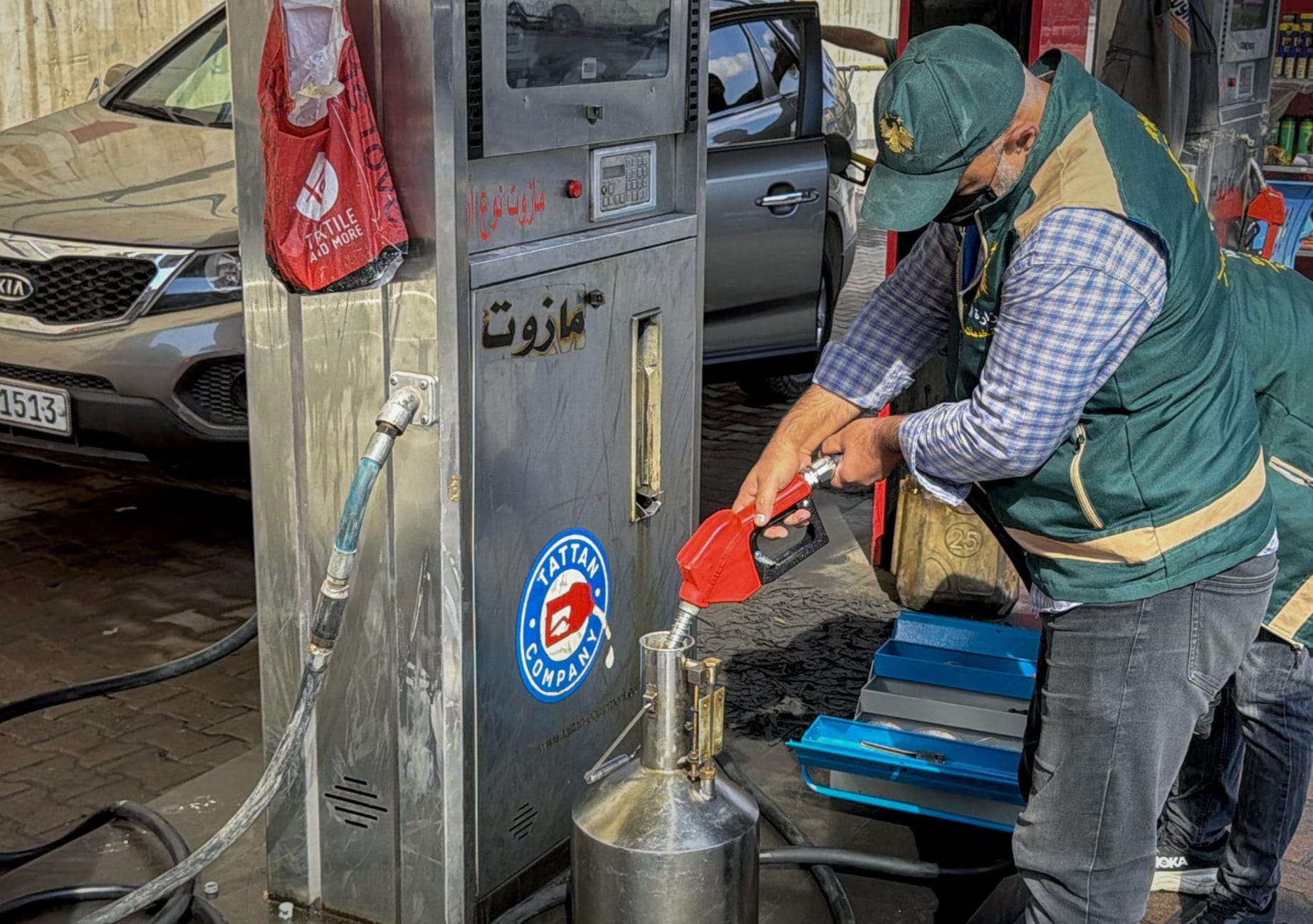
Key Developments: As of October 29, the government had still not set a date for the large-scale distribution of subsidised heating diesel announced six weeks earlier or criteria for choosing which households qualify, which the Minister of Energy said was being discussed with the Ministry of Social Affairs and Labour.
In mid-October, the secretary of the Consumer Protection Association, Abdul Razzaq Habza, said the cheaper diesel grades still had not reached their intended users, while by the end of the month, SYP 150 diesel was available only through a request-and-approval procedure run by the Energy Services Directorate.
Mohammad Salem Wahab, a member of the Rural Damascus Chamber of Commerce, described the quantities supplied this way as very limited and said buyers had complained about its quality. He added that stations had received no instructions on the subsidised tier, and that diesel in Damascus and its countryside was selling at SYP 175. Rural Damascus was instructed to form committees to identify the neediest households, a model to be extended to other governorates, with Suwayda and Rural Damascus beginning to list their poorest families in late October.
The delay coincided with the start of the heating season, and with the rising cost of living and falling purchasing power, households were reported to be falling back on firewood, cardboard and plastics. Indeed, with 150 litres of diesel a month at the subsidised price needed for a family home, the total bill would cost SYP 17,250, against a public-sector minimum wage of SYP 12,560.
In Hasakah, where the integration process remains underway, the Autonomous Administration previously distributed 300 litres of heating diesel per family each summer at (new) SYP 11 per litre. That allocation stopped this year as services moved to government structures, and some families resorted to burning dung, cotton residues and old clothes instead. Industrialists’ struggles match households’, as they buy black-market diesel at double the official price, according to Louay al-Ashqar of the Damascus Chamber of Commerce. Aleppo’s energy official, Youssef al-Shibli, said the governorate needs about one million litres of diesel and 1.25 million litres of gasoline a day. He put that at roughly double its earlier consumption, as factories reopen following the collapse of the Assad regime.
Hefty black market prices are driven by petroleum shortages, as local media found in mid-October stations in Hama, Aleppo and Idlib almost out of diesel, which Energy Ministry media director Abdul Hamid Sallat blamed on attacks targeting product pipelines from Banias and Homs. On October 15, the Banias–Homs line had been punctured at Hadideh in rural Homs to steal fuel, and the leak closed the Homs–Tartous highway until October 17. Gasoline supply was further disrupted after an ‘off-specification’ shipment reached the market (see “Damascus Reshuffles Its Economic Team as the Gasoline Scandal Claims the Oil Chief”).
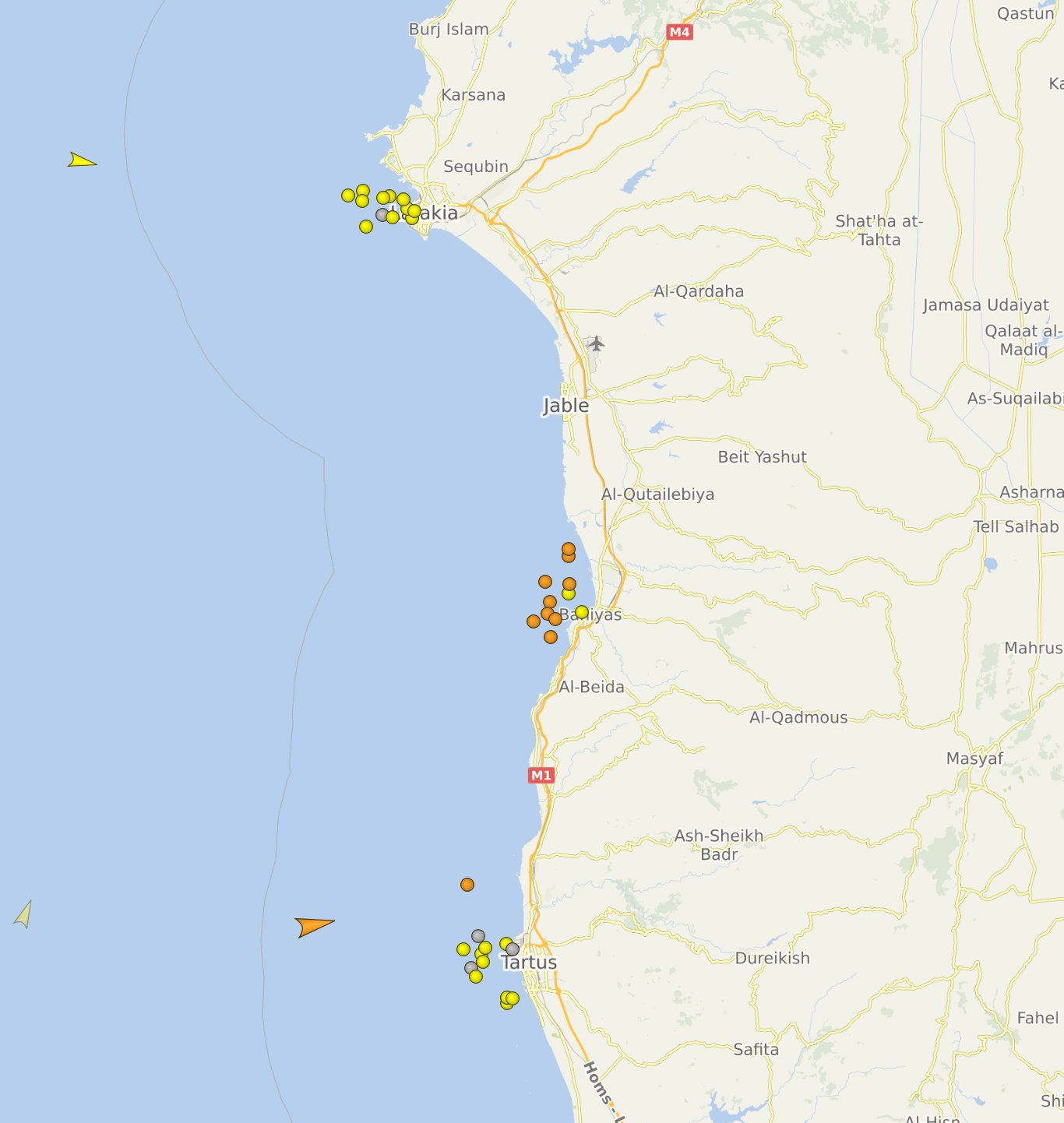
On October 11, the Syrian Petroleum Company (SPC) said 15 tankers, six carrying diesel and nine gasoline, were waiting to discharge. Observers counted 15 tankers arriving at Banias between October 8 and 18, most of them from European ports, eight of which unloaded more than 1.3 million barrels.
Also on October 11, the Central Bank announced that it had executed its first documentary credit in 14 years, through a major US bank, to finance an SPC purchase from Saudi Aramco. The first cargo, carried by the tanker Starling, reached Banias on October 19 with 63,784 tons of diesel. SPC’s finance director, Mohammad Qouja, later revealed that JPMorgan had confirmed and guaranteed the credit and that SPC had received 65,000 tons under the deal. He said SPC hoped to extend future cargoes to gasoline and, later, light crude. On October 29, after a call between Deputy Energy Minister for Petroleum Ghiath Diab and Saudi energy adviser Fouad Mousa, the Energy Ministry said it was arranging a second Aramco cargo for early November.
Beyond oil, disruptions also affected gas supplies as, on September 30, an explosion on the gas line feeding the Tishreen power station knocked out Tishreen, Deir Ali and Nasiriyah, cutting about 60 MW from Daraa’s allocation. Deir Ali and Nasiriyah returned to service the next day, but Tishreen stayed out of service due to equipment damage, and the cause of the blast had not been established. On October 28, the Syrian Electricity Company attributed longer rationing hours to maintenance, the Tishreen units still out of service and lower deliveries of Azerbaijani gas.
In fact, attacks on the energy infrastructure picked up quite significantly between the end of September and October. On September 20, Energy Minister al-Bashir told parliament that oil pipelines had been attacked 22 times in 2026. On September 28, sabotage caused a section valve to explode on the Jbeisseh gas line at al-Shoula in rural Deir Ezzor. The line carries about 950,000 cubic meters of gas a day and was back in service on October 2, after an 18-meter section was replaced. On October 7, an oil line near Tal Hamis in Hasakah was damaged in what SPC called sabotage, and the company said it had arrested those responsible. On October 15, the Jbeisseh export line was hit again, at al-Arbidi about 60 km from Shaddadi, and caught fire. The same day, the Banias–Homs products line was punctured at Hadideh.
Why It Matters: The three-tier system seems to have exposed the government’s habit of announcing policy before working out how to implement it. Energy Minister al-Bashir announced the system on September 17, four days after the price rise that set off the protests, and seemingly before anyone had worked out how it would run. SPC’s chief executive said that the company was only then starting to draft an implementation plan, and no date was set. Delivery was split between SPC, the governorates and unnamed “relevant bodies,” while the Ministry of Social Affairs and Labour was left to write the eligibility criteria and had not finished them by the end of October.
While targeting a subsidy is not wrong in itself given the current context, six weeks without delivering points to little political will to fund one. The tools now being floated, local committees and a revived smart card, are ones economists warn could reproduce the old system’s abuse, and that Syrians already tried without success. This is liberalising from the wrong end: the price went up first, and the safety net is being improvised afterwards, as winter starts. The situation in the northeast is poised to be much more consequential, given that integration with Damascus replaced the Autonomous Administration’s heating ration with national prices before any national support was in place, forcing populations to absorb a much steeper price increase.
Given the procurement challenges, then, the documentary credit deserves real appreciation because it lets SPC buy from a major supplier through ordinary trade finance, with a US bank confirming payment, at a time when diesel is scarce worldwide. Still, the mid-October shortages came while tankers queued offshore, shifting the bottleneck from procurement to the port-to-pump stage.
In the Arab Opinion Index survey conducted between September 28 and October 15, 40% rated electricity supply as good, up from 26% a year earlier, while the share rating fuel availability as good fell to 36% from 48%.
Continue Reading the October 2026 Syria Monthly Economic Digest


Explore Previous Editions
Browse every edition of the Syria Monthly Economic Digest, featuring monthly analysis of Syria’s political economy, governance, reconstruction, and regional developments.
Never Miss an Issue
Receive the Syria Monthly Economic Digest, along with original research, expert interviews, and in-depth analysis on Syria’s political economy, governance, and reconstruction—delivered directly to your inbox.