

This article is part of the May 2026 edition of the Syria Monthly Economic Digest. Click here to explore the full edition.
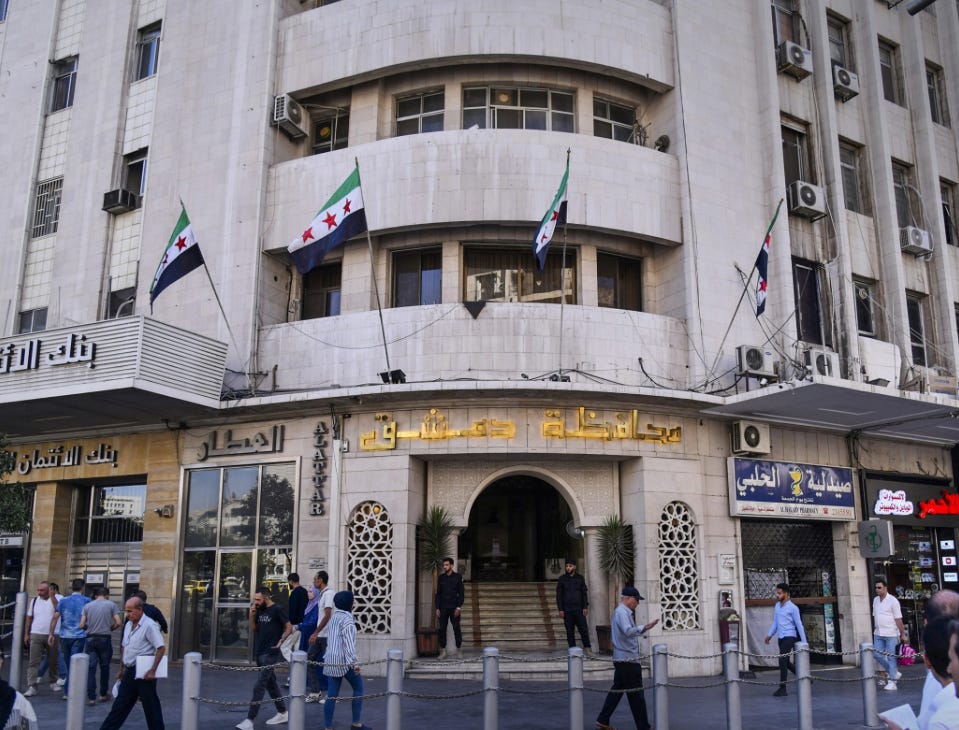
Key Developments: In May, Damascus Governorate took steps to address long-standing grievances related to Legislative Decree No. 66 of 2012, the framework governing Marota City and Basilia City. Officials presented the measures as an effort to correct past injustices while continuing the two projects, which cover parts of Mazzeh, Kafr Sousa, Daraya, Qadam, Nahr Aisha, and the southern ring-road area. The governorate said it had received 1,606 grievance requests, resolved 1,122, increased owners’ allocated floor area by 13.9%, raised rent allowances for alternative-housing beneficiaries by 35 times, restored rights to more than 1,000 previously excluded families, and allocated funding to build 54 alternative-housing towers over three years. It later began paying rent allowances to eligible beneficiaries in Marota City.
Yet, the package did not settle the dispute. Affected owners and rights advocates argued that Decree 66 had converted direct property ownership into shares inside a governorate-managed project, while the Association to Repeal Decree 66 and Restore Rights demanded cancellation of the decree and return of confiscated property. Affected groups say more than 12,000 homes were demolished in Marota-linked areas and more than 20,000 homes in Basilia-linked areas, with tens of thousands displaced.
The controversy also took on a political and rights dimension following the arrest of activists. Affected residents had organized repeated protests demanding the repeal of Decree 66, while Hashtag Syria reported that two representatives of affected owners, Ibrahim Sheikh al-Shabab and Yasser Abbas, were detained after Damascus Governor Maher Idlibi filed a complaint with the cybercrime branch regarding their media and protest activities. Critics said the compensation measures remain insufficient because the file concerns not only urban planning, but also property rights, forced displacement, investor accountability, and transitional justice.
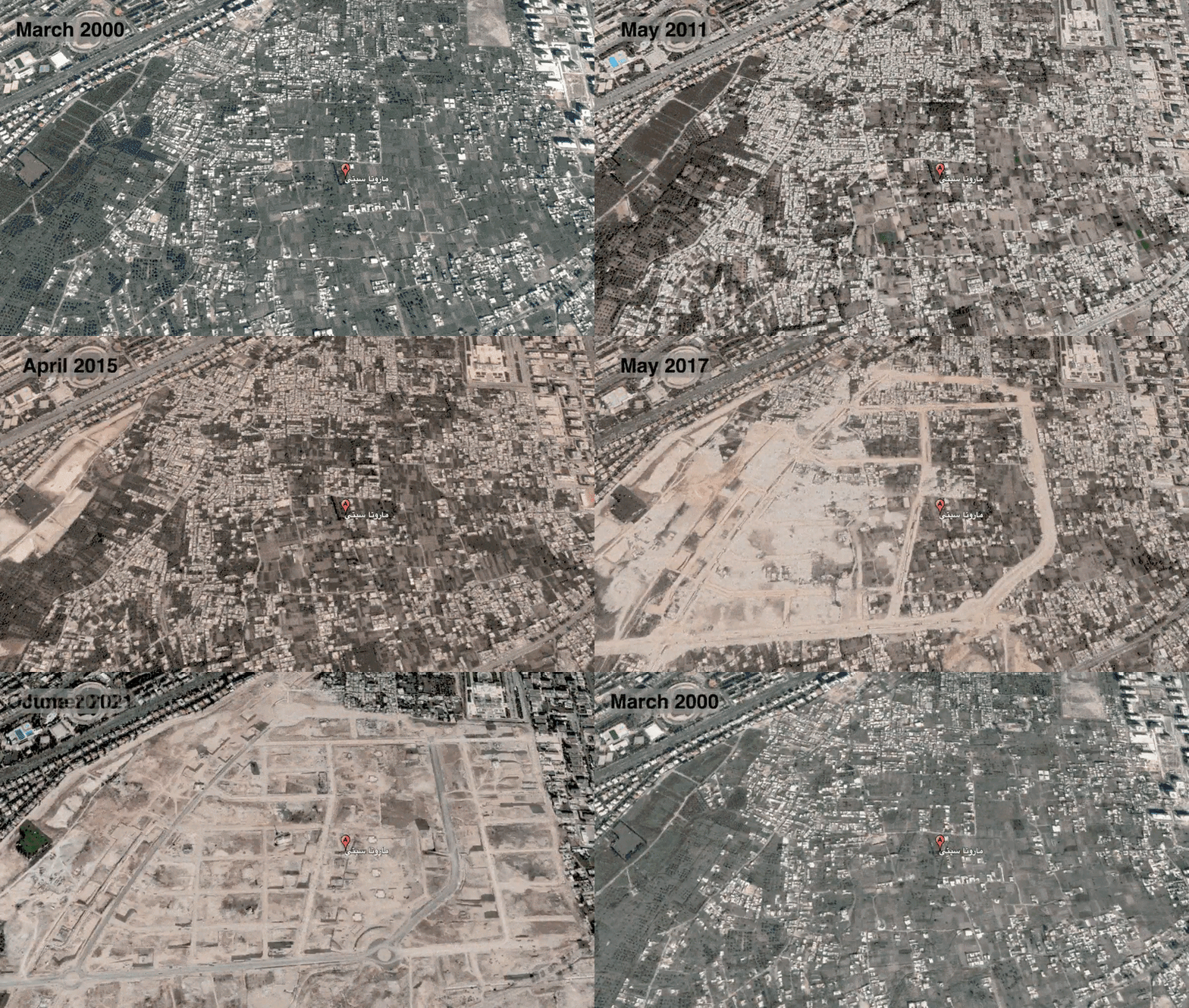
Why It Matters: Grievances linked to Legislative Decree No. 66 of 2012 are long-standing and extend far beyond questions of compensation. For many affected residents, the issue concerns displacement, the loss of community ties, uncertainty surrounding alternative housing, and the conversion of direct property ownership into shares whose value and future remained unclear. Residents repeatedly argued that the project converted homes and land into regulatory shares of uncertain value, while years of delays, low rental allowances, and a lack of clarity about alternative housing forced many families to sell their rights at heavily discounted prices. Others argued that ownership requirements failed to account for families whose documents had been lost, destroyed, or left behind during years of displacement.
Following the collapse of the Assad regime, affected and advocacy groups saw an opportunity to reopen a file that had long been politically untouchable. Residents’ committees and activists have pushed not only for higher compensation, but also for greater transparency, recognition of past grievances, and, in some cases, revisions to the master plans themselves.
The new authorities are attempting to address some of the decree’s consequences without abandoning the framework altogether. While the compensation package is significant, it remains a corrective measure within the existing system rather than a full legal reset. Many affected owners argue that the problem is not only inadequate compensation, but the original conversion of property rights into shares in a governorate-managed project. For many residents, the issue is also one of return, with alternative housing elsewhere seen as an insufficient substitute for homes and communities lost in areas such as Mazzeh, Kafr Sousa, Qadam, and al-Assali.
At the same time, a full reversal would be difficult after more than a decade of accumulated contracts, shares, and property transactions. The broader debate over Jobar, Qaboun, and Tishreen suggests that Marota could set a precedent for reconstruction across Syria. How the government handles this file may ultimately determine whether reconstruction strengthens confidence in property rights or becomes an early legitimacy crisis of the transition.
Continue Reading the May 2026 Syria Monthly Economic Digest


Explore Previous Editions
Browse every edition of the Syria Monthly Economic Digest, featuring monthly analysis of Syria’s political economy, governance, reconstruction, and regional developments.
Never Miss an Issue
Receive the Syria Monthly Economic Digest, along with original research, expert interviews, and in-depth analysis on Syria’s political economy, governance, and reconstruction—delivered directly to your inbox.